Cart is empty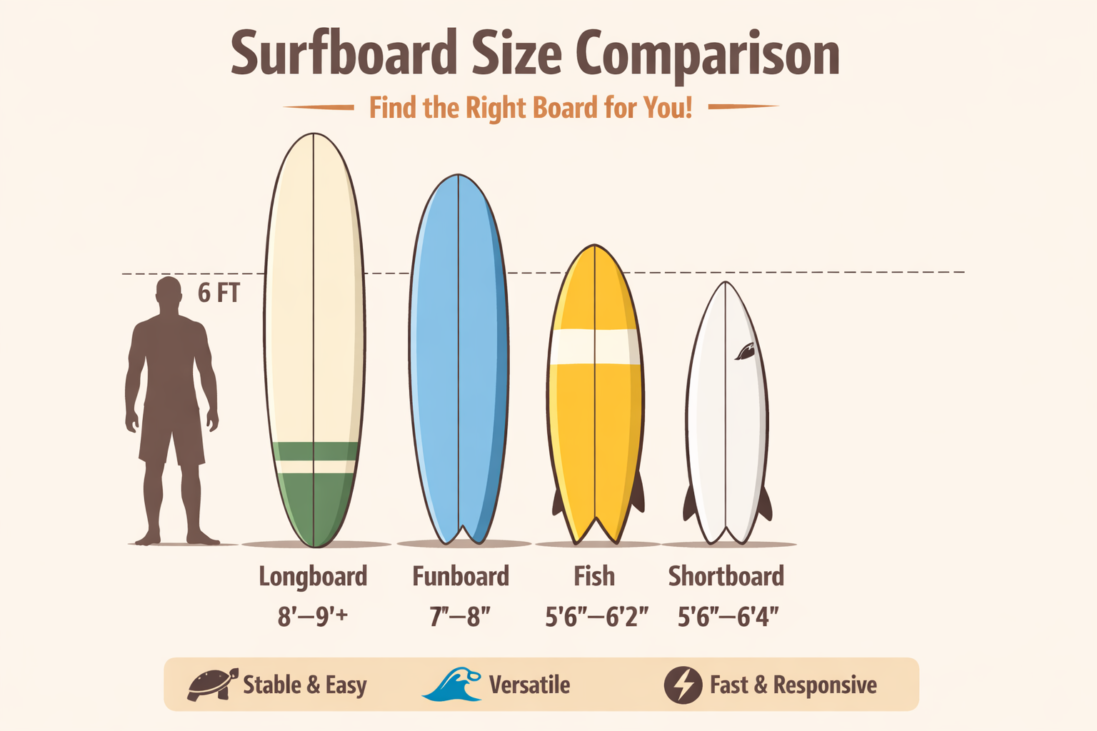
If you’re new to surfing and wondering how to choose the right surfboard for beginners, you’re not alone. Many new surfers struggle to find the right board when they first start.
Many new surfers make the mistake of choosing a board that looks cool instead of one that actually helps them progress. After shaping surfboards and surfing for decades, I can tell you that the right beginner surfboard will make learning to surf much more enjoyable.
Why the Right Surfboard Matters for Beginners
When you’re new to surfing, your biggest challenge is not standing up — it’s catching waves.
And that’s where the right board comes in.
A good beginner surfboard should:
- Paddle easily
- Catch waves early
- Be stable when you stand up
- Forgive your mistakes
If the board is too small, too thin, or too advanced, you’ll spend most of your session paddling and falling instead of actually surfing.
Trust me — even experienced surfers enjoy riding bigger boards sometimes. More waves equals more fun.
Start With a Bigger Board
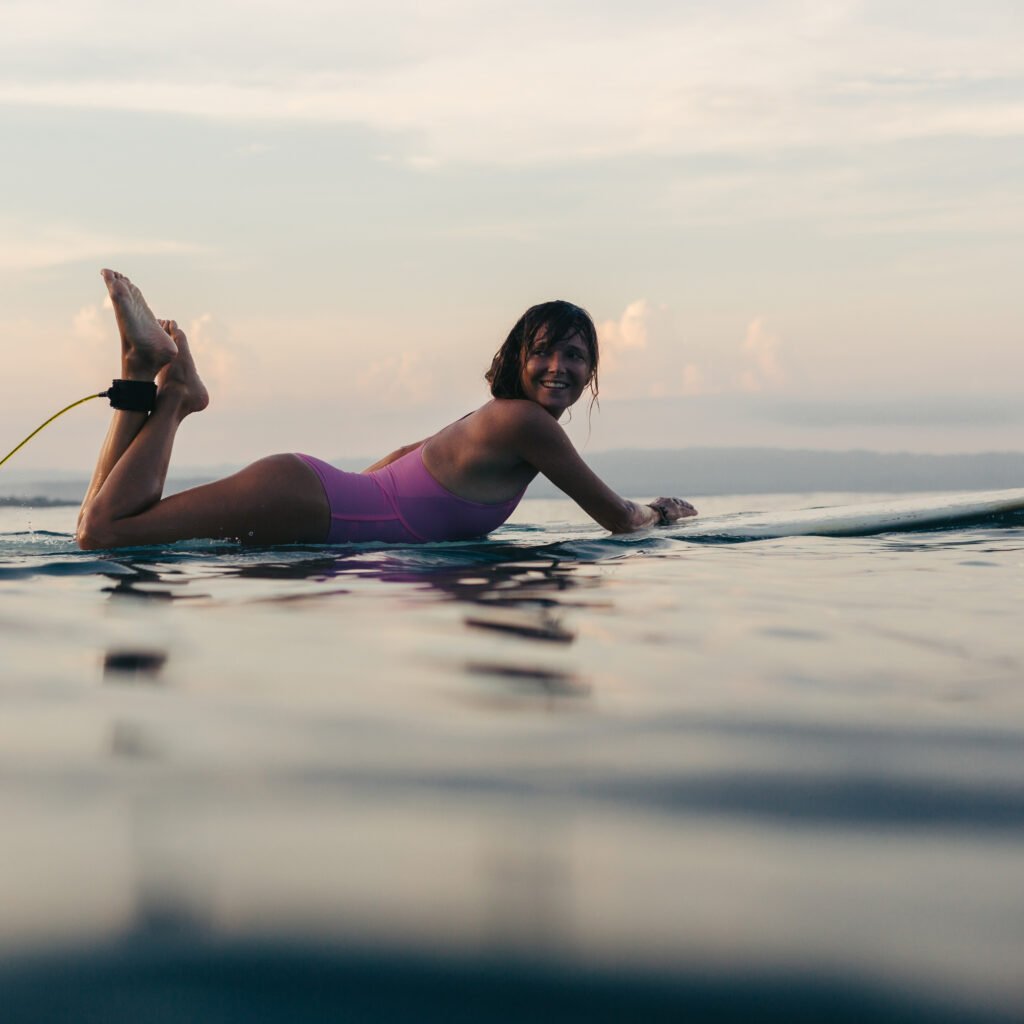
One of the biggest mistakes beginners make is buying a board that looks “cool” instead of one that actually works.
Shortboards look amazing when pros ride them, but they’re not designed for beginners.
For most beginners, a board between 7 to 9 feet is ideal. Bigger boards have more volume, which means:
・Better paddling
・Easier wave catching
・More stability when standing up
Think of it like learning to ride a bike. You wouldn’t start with a racing bike — you’d start with something stable.
Understanding Surfboard Volume
You’ll often hear surfers talk about volume, measured in liters.
Volume basically tells you how much flotation the board has.
More volume means:
- easier paddling
- easier wave catching
- more stability
For beginners, more volume is almost always better.
A beginner board usually sits somewhere between 60L – 80L, depending on your weight and skill level.
If you’re unsure, it’s always better to go slightly bigger rather than too small.
Best Surfboard Types for Beginners
Learning how to choose the right surfboard for beginners can make the difference between struggling in the water and catching waves with confidence.
There are a few board styles that work especially well when you’re starting out.
Soft Top Surfboards
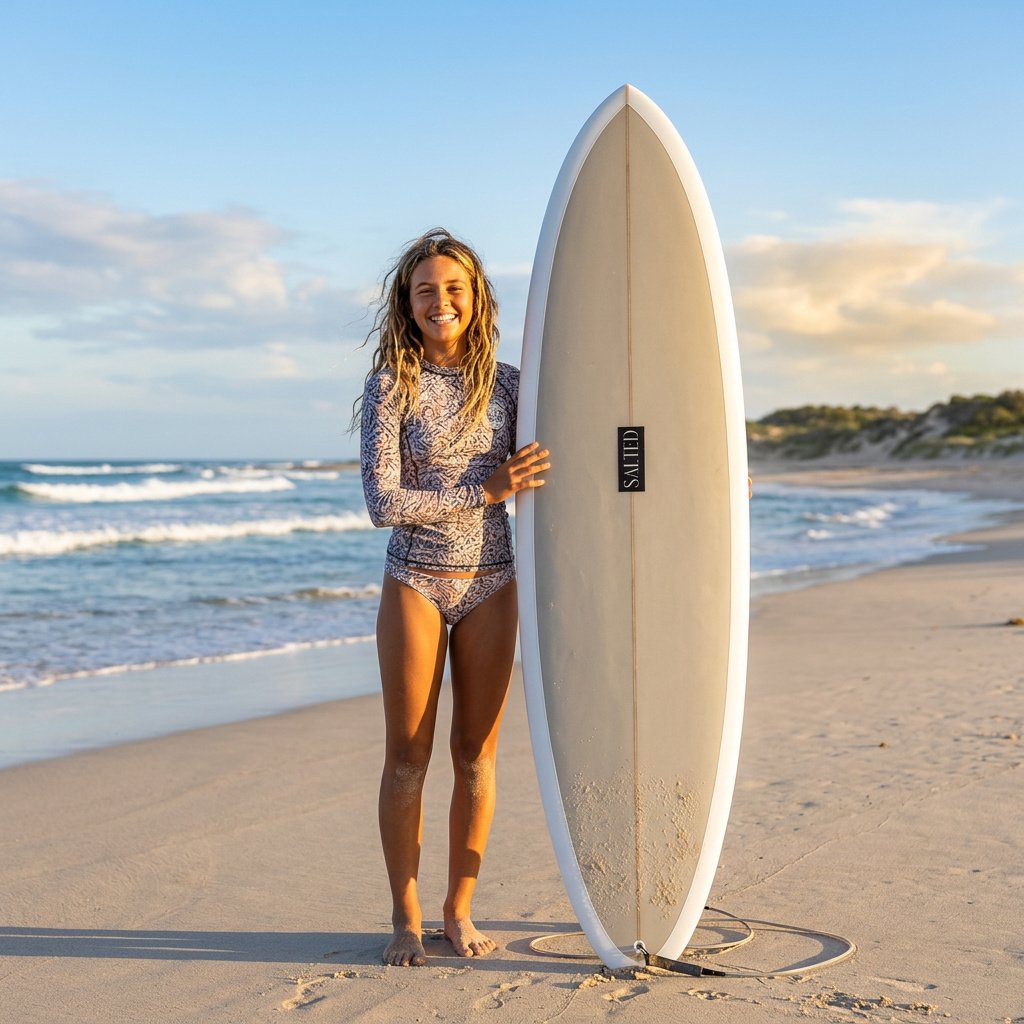
Soft tops are one of the best options for beginners.
They’re:
- safer
- durable
- stable
- very forgiving
If you’re just learning to stand up, a soft top is a great place to start.
Longboards
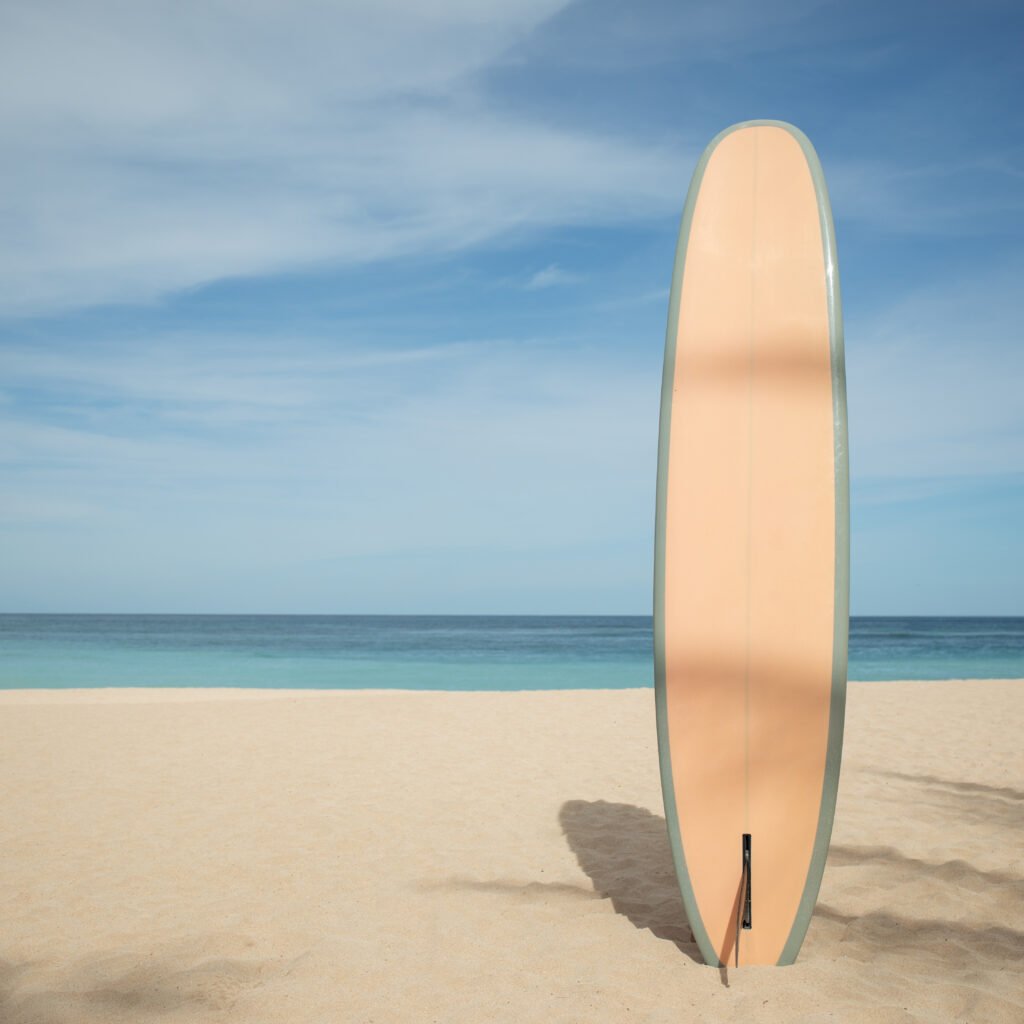
Longboards are around 9 feet or longer and are incredibly beginner-friendly.
They paddle easily and catch waves early, which is exactly what beginners need.
Many surfers actually fall in love with longboarding and stick with it forever.
Funboards / Mini Malibus
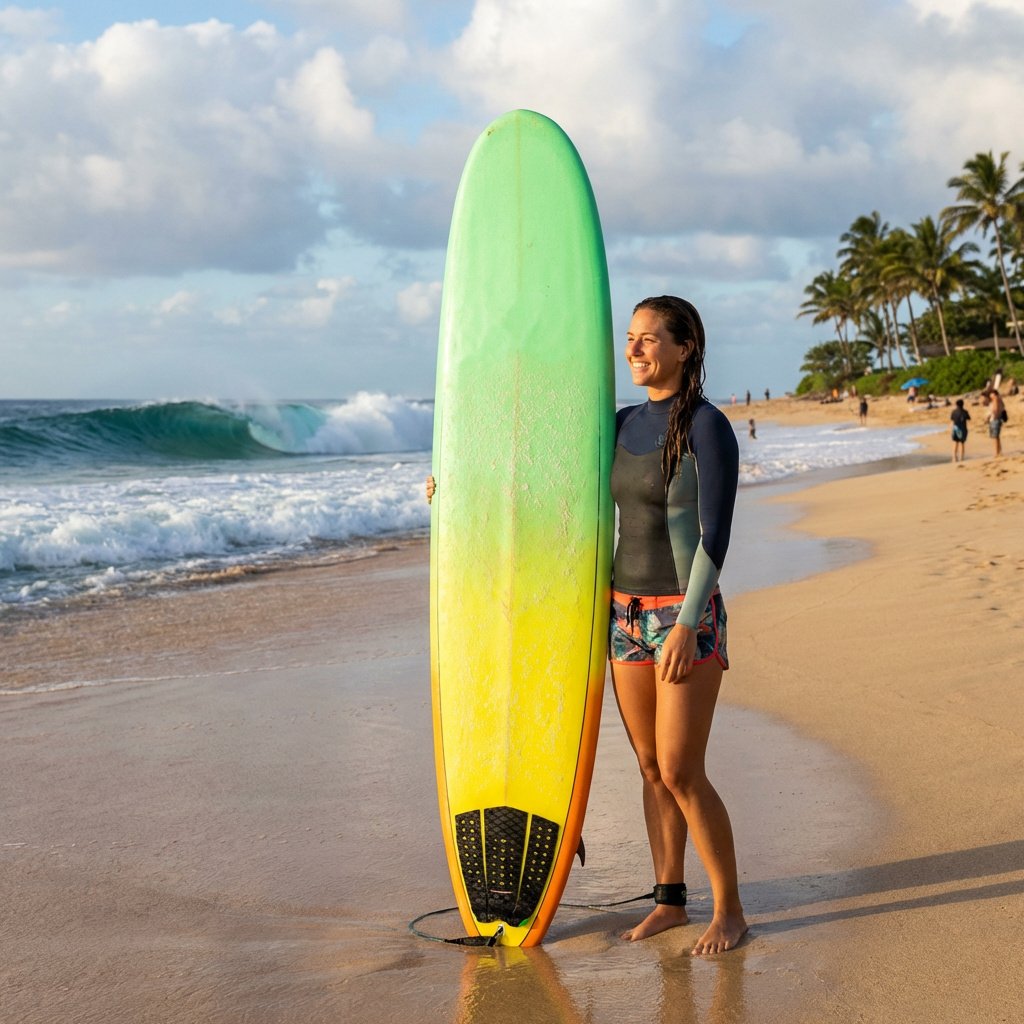
Funboards are usually 7–8 feet long and are a great middle ground.
They still have enough volume to make surfing easier but are slightly more maneuverable than a longboard. A lot of surfers move to a funboard after their first beginner board.
Now that you understand how to choose the right surfboard for beginners, you’ll be able to pick a board that helps you progress faster.
Consider the Waves You’ll Surf
The waves you surf also affect what board works best.
For example, here in places like Bali, you’ll find a mix of reef breaks and beach breaks.
For smaller or softer waves, a board with more volume and length helps you catch waves earlier.
For faster waves, you might eventually want something more performance-oriented — but that usually comes later in your surfing journey. For now, focus on a board that helps you catch waves easily.
Common Beginner Surfboard Mistakes
Over the years I’ve seen a few mistakes come up again and again.
Buying a Board That’s Too Small
This is the number one mistake.
Beginners often buy shortboards because that’s what pros ride. Unfortunately, shortboards require strong paddling and good wave knowledge.
Start bigger — you’ll progress much faster.
Ignoring Volume
Length matters, but volume matters even more.
Two boards can be the same length but have completely different volume.
More volume will make learning much easier.
Choosing Performance Over Fun
Surfing should be fun. That’s the whole point.
If your board helps you catch waves and stand up more often, you’ll improve naturally.
If your board makes everything harder, surfing quickly becomes frustrating.]
Should You Buy a New or Used Surfboard?
For beginners, used surfboards can be a great option.
You’ll save money, and many used boards are still in great condition.
Just make sure to check for:
- cracks or dings
- water damage
- damaged fin boxes
- soft spots on the deck
If you’re unsure, ask someone with experience to take a look.
Final Thoughts
Surfing is a journey that takes time, patience, and a lot of waves.
The right beginner surfboard won’t magically make you a pro, but it will make learning much easier and much more enjoyable.
Start with something stable, forgiving, and easy to paddle.
Catch as many waves as you can.
And remember — even after decades of surfing, the best sessions are still the ones where you simply have fun in the water.
If you’re looking for quality used surfboards or custom boards, feel free to check our selection at SaltedSurfboard.com We’re always happy to help surfers find the right board for their next session.
Check our social media for more available boards